

Revenue Operations, or RevOps, for short, is all about alignment at the operational level. The framework connects Sales, Marketing, and Customer Success teams across the entire funnel and keeps each accountable for revenue generation. When you integrate RevOps into your organization, you optimize the sales funnel, generate higher-quality leads, and increase revenue.
According to a Forrester study, companies with RevOps functions saw a 71% higher stock performance. In addition, these aligned companies typically experience 19% faster growth and 15% more profit than those without alignment.
A solid CRM system is essential to unlocking new opportunities in your revenue operations strategy.
How Does RevOps Work?
In most B2B businesses, Marketing, Sales, and Customer Success teams engage with customers only at specific stages in the customer lifecycle. Typically, one team “hands off” the customer to the next: Marketing generates leads for Sales, Sales closes the deal, and then Customer Success manages the account.
But this handoff structure is outdated. It often leads to misalignment, duplicated efforts, and a disconnect between strategy and results.
Today’s buyers complete most of the customer journey before they ever speak to a sales rep. That’s why RevOps gets Sales involved earlier in the lifecycle (during awareness and brand-building stages) through activities like social selling and sales-driven campaigns.
Meanwhile, Marketing plays a role throughout the entire funnel, supporting awareness, lead generation, retention, and even expansion. Marketing’s role in cross-sell and up-sell efforts becomes a critical revenue driver.
And Customer Success? Under the RevOps framework, they’re engaged before the sale is made. This allows them to analyze incoming opportunities, identify patterns in customer profiles, and prepare for expansion possibilities from the start.
Key Benefits of the Holistic RevOps Approach
1. Alignment Across Teams
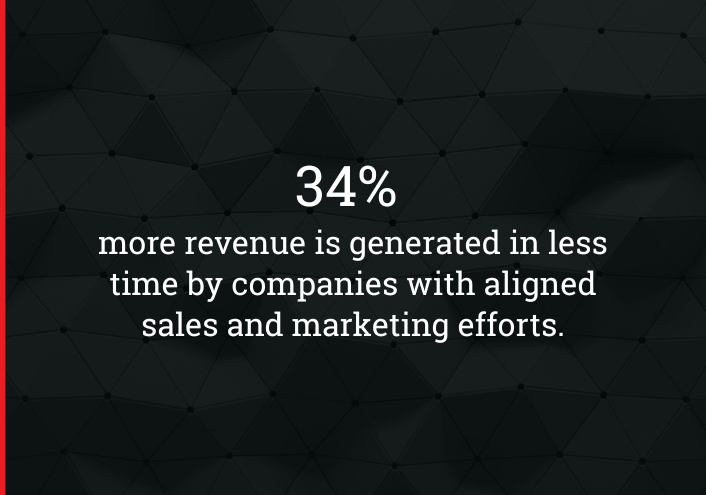
RevOps ensures all departments stay on the same page, making sure every initiative impacts the full funnel. Companies with aligned sales and marketing efforts generate 34% more revenue in less time.
The top benefit most often cited by companies using RevOps is shared and agreed-upon operational priorities. Without this, teams default to siloed operations, chasing their own objectives rather than working toward a unified business goal.
2. Increased Focus on What Matters
When Marketing, Sales, and Customer Success share common goals, they can prioritize strategic initiatives rather than individual team metrics. This means your go-to-market teams concentrate on KPIs like lead generation, deal closures, and account expansion.
Shared goals aren’t enough; you also need agreement on how success is measured. Defining clear KPIs and tracking methods ensures everyone interprets results the same way, making collaboration more productive.
3. Simplicity and Speed
RevOps removes obstacles in the customer lifecycle, allowing teams to work more efficiently.
A clear and predictable model gives leadership the confidence to invest in high-growth initiatives (like expanding your Sales team) without hesitation.
Conclusion
A strong RevOps team helps your company function like a well-oiled machine. The result? Clear expectations for customers, more conversions, better retention, and predictable growth.
RevOps isn’t just about making a sale; it’s about keeping the customers you’ve earned. Because Customer Success is part of the process early on, trust builds faster, and long-term loyalty becomes easier to maintain.
And no, it’s not just a trendy buzzword. RevOps has existed in one form or another for years. It’s now gaining serious traction in SaaS and B2B environments because of the efficiency and clarity it brings.
When departments align, employee engagement improves. And when your team is energized and focused, your business benefits across the board.
Key Takeaways:
• RevOps is an operational model that drives growth by aligning teams across the entire customer lifecycle.
• It brings Marketing, Sales, and Customer Success together to drive revenue as one unit.
• It works through alignment, focus, and simplification, helping businesses grow faster and adapt quicker.