

As a marketer, you’re probably familiar with the power of automation in your workflow. You can easily set up alerts for your favorite keyword searches and get notified when someone writes about them. With AI, you can automatically categorize prospects based on their data profiles or use machine learning algorithms to predict which prospects will convert into customers and when.
But what if you could automate even more aspects of prospecting? What if you could reach more people across multiple channels at once? And what if you could better understand your customers’ needs so your sales team can make informed decisions about where and how to invest marketing budgets?
AI and ML are the future of prospecting
AI and ML can process vast amounts of data much faster than any human. They also allow you to extract insights without manually reviewing every piece of information before making decisions.
So why aren’t AI and ML used more widely? There are two main reasons. First, many companies have not fully embraced the benefits of these technologies. Second, even organizations that are open to using them often do not know how to integrate them into their existing strategies.
The good news is that you do not need to be an AI or ML expert to use these technologies. You simply need to understand where to start. At the same time, it is important not to implement AI without a clear strategy. That is why this guide was created: to help you understand AI and ML before deciding how they can benefit your business.
A quick guide on intelligence systems
Intelligence systems generally come in two forms: category intelligence and account intelligence.
Category intelligence refers to understanding a customer’s business, where they are in the buying cycle, and what stage of the decision-making process they are in. This includes knowing how long it typically takes for someone unfamiliar with your company to make a decision, whether a prospect is ready for an upgrade, and whether there is budget availability.
Account intelligence focuses on understanding a prospect’s specific needs in relation to your products or services. It helps you identify patterns based on past behaviors and decisions of similar accounts.
Category Intelligence
AI uses category intelligence to identify the most relevant prospects in your database and build custom audiences based on interests, behaviors, and preferences.
AI gathers data from multiple sources, including social media platforms, to create lists of people interested in specific topics or industries. It can identify relevant prospects for marketing campaigns, such as personalized email outreach, or for sales teams using predictive dialing software.
Although this technology is still evolving, adoption is growing quickly. Studies show that more than half of marketers plan to use AI in marketing in the near future. As AI becomes more advanced, marketers can apply it more efficiently.
You can begin using AI in marketing in several practical ways. One way is to identify leads using predictive tools that prioritize high-potential prospects. Another way is to analyze interests through social listening before initiating outreach.
Account Intelligence
Account intelligence enables you to understand a prospect’s business, how it aligns with your offering, and how you can address their challenges.
For example, when a prospect visits your website, account intelligence can help determine where they are in their buying journey. This insight allows you to tailor messaging and recommend appropriate next steps.
Account intelligence includes all the data collected about an account, such as website activity, interactions with your team, or past purchases. It can provide either a comprehensive view of behavior or insights into specific actions.
One key benefit of account intelligence is prioritization. If a customer interacts with multiple team members, account intelligence can help determine who should respond next or suggest an alternative approach. This improves efficiency and customer experience.
Account Mapping
Account mapping helps you understand and engage your target audience more effectively. It allows you to establish connections by identifying similarities between prospects and your ideal customer profile.
The process begins with identifying your audience’s needs and interests. Then, you map the stages of their journey from awareness to purchase or engagement. Visual tools such as charts or slides can support this process.
Finally, analyzing habits, reactions, and preferences enables you to craft relevant messages for each stage of the funnel.
Enriching Data: Use AI to Scale Marketing Efforts
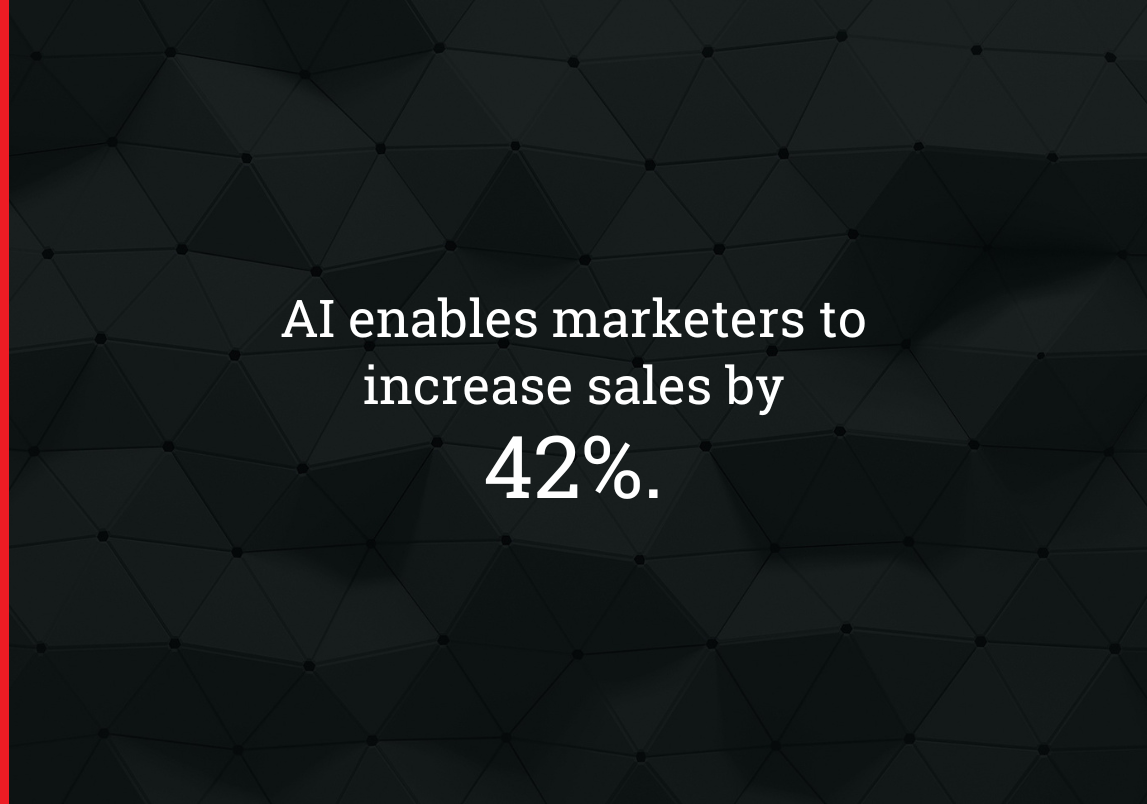
AI enrichment enhances your existing data sets by adding valuable information. Imagine having a continuously updated data set that provides key insights into your customers. This enables you to deliver relevant offers and improve conversion rates.
AI enrichment offers deeper insights into customer behavior, helping you target audiences more precisely. Data quality can be a challenge when managing large volumes of information. Sometimes there is insufficient high-quality data to make accurate predictions. AI enrichment addresses this limitation by identifying patterns beyond human observation.
This capability is critical in a rapidly changing market environment. Trends shift quickly, and businesses must adapt. Access to current behavioral insights enables timely product and service offerings.
Integrating AI-enriched data into your strategy allows you to create targeted campaigns that deliver measurable results.
Target accounts with predictive analytics
Retargeting can be one way to use predictive analytics, but it’s not the only way. Here are a few more ways to use AI in your ABM strategy.
#1 Define a set of target accounts and engage with them at specific times throughout the day or week.
For example, you might want to reach out with relevant content on Mondays and Thursdays at 8 am. You can then track engagement rates and optimize accordingly. This technique will help you stay connected while targeting accounts that need additional attention to keep up with the changing customer landscape.
#2 Customize messages for different buyer personas within an account using machine learning
Use machine learning tools to select from possible responses based on the account’s persona traits. This will allow you to serve tailored messages based on what prospects want most from their interactions with your company.
#3 Withdraw from non-performing campaigns
And start to dedicate the budget toward more fruitful opportunities instead by looking for specific signals that indicate a prospect may be interested in hearing about your product or service. By prioritizing these signals, ABM specialists can determine how best to allocate resources during peak periods of customer interest.
The data confirms that AI can improve prospecting efforts. The challenge lies in applying this data strategically to create meaningful business impact.
If you need expert support integrating AI and machine learning into your ABM strategy, contact one of our consultants to explore how artificial intelligence can strengthen your prospecting approach.