

59% of B2B decision-makers are now Millennials, and Gen Z’s influence is accelerating fast: their engagement on LinkedIn is up 71% year over year.
This shift isn’t just demographic. It’s behavioral, structural, and deeply consequential for how demand is created and revenue is won. The marketing systems designed for Gen X committees (long buying cycles, gated content, and brand-to-buyer monologues) no longer fit the way modern buyers act.
The new generation of decision-makers researches earlier, engages on their own terms, and expects brands to prove value in public, not behind a form fill.
Most teams haven’t caught up.
The Generational Pattern No One’s Talking About
Every generation brings new tools, new norms, and new skepticism.
But the Millennial-Gen Z handoff is unique because it’s happening amid radical transparency.
Younger buyers have spent their entire careers (and most of their lives, as well) in an environment where every claim can be verified instantly and every experience can be shared publicly. They don’t trust polished messaging; they trust consistency across platforms, peers, and real use cases.
The result: brand perception isn’t built in campaigns anymore. It’s constructed algorithmically and communally, across feeds, video clips, and conversations you don’t control.
Attention Is Still The Currency, but Trust Is the Exchange Rate
Data confirms what most of us have felt for some time now: video is now the language of trust.
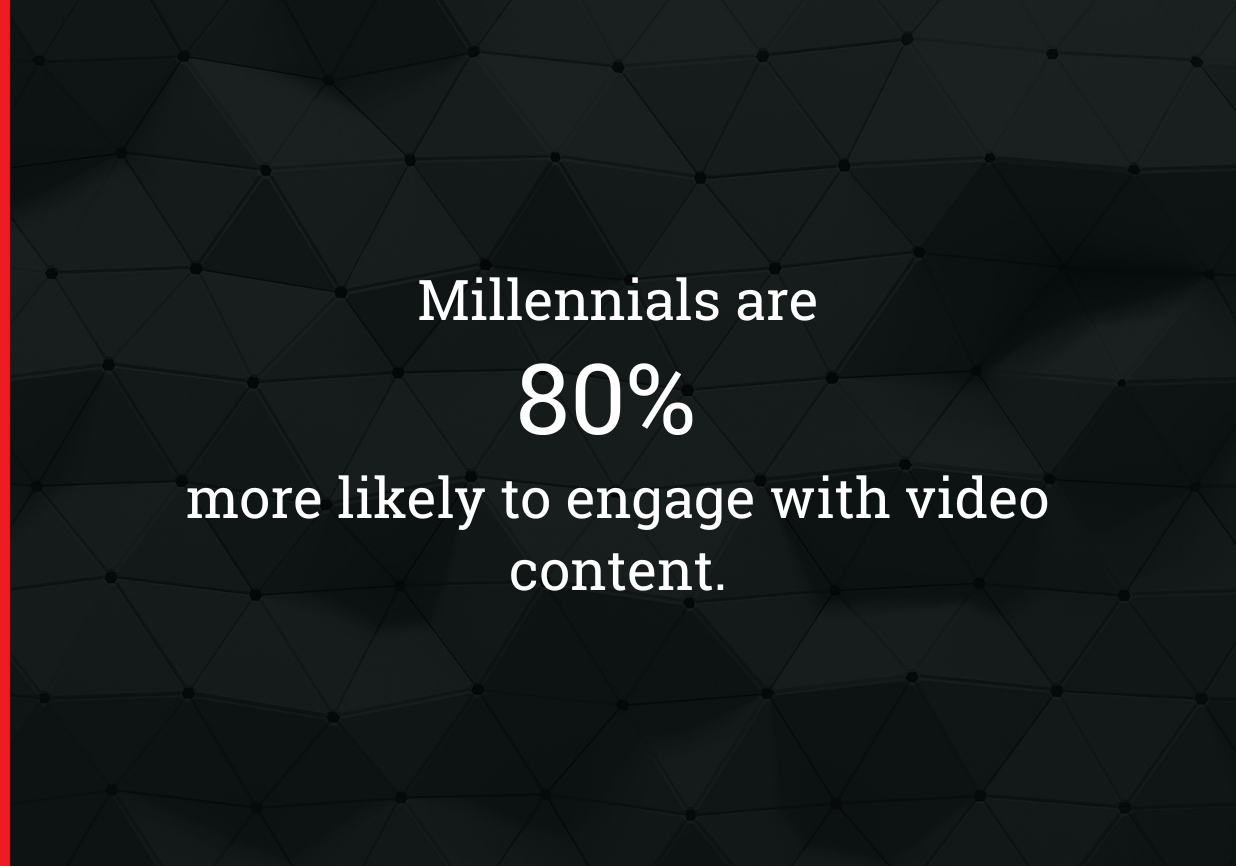
Millennials are 80% more likely to engage with B2B video ads than older generations, and Gen Z’s video consumption is up 60% year over year.
That’s why traditional “top of funnel” thinking is becoming obsolete. These buyers aren’t entering your funnel. They’re building their own.
Short-form video is outperforming long format because it fits the behavioral rhythm of these cohorts: quick validation, clear takeaways, and a sense of authenticity. But it’s not just a content format, it’s a credibility test.
The new buyer watches how your brand behaves in public:
- Do your creators and employees sound like people or corporate scripts?
- Are customers visible and vocal in your narrative?
- Is your brand voice consistent across channels?
All these are trust signals, and trust has become the primary growth constraint in B2B. 94% of marketers say trust is critical to long-term success. And among younger buyers, it’s the precondition for any engagement that follows.
The Fall of Impressions, The Rise of Intelligence
The shift isn’t only generational; it’s systemic. Modern buyers have outgrown traditional advertising’s core premise – interruption.
As Demand Gen Report notes, today’s top-performing B2B marketers are moving from impressions to intelligence: activating data-driven, multi-channel, and outcome-based programs that map to how buyers actually consume content.
Winning teams are:
- Using intent and firmographic data (company traits like industry, size, and revenue) to identify in-market accounts.
- Orchestrating campaigns across channels and formats to surround decision-makers in their natural environment.
- Measuring performance against pipeline and revenue, not vanity metrics (impressions, clicks, likes, shares).
It’s a fundamental redefinition of marketing’s mandate: from broadcasting messages to engineering relevance.
That’s what this generation expects. They grew up with algorithms curating their experiences. They don’t resist personalization; they expect it.
How Generational Shift Becomes Revenue Shift
The gap between brand perception and demand generation has never been smaller or more measurable.
Let’s connect the dots:
- Younger buyers value authenticity → brands need visible humans, not abstract logos.
- They prefer video and dynamic content → social and short-form storytelling must work in sync.
- They want information on their terms → data-driven personalization replaces nurture spam.
Each of these behaviors reconfigures the revenue equation.
When content is credible, personalized, and discoverable in the buyer’s preferred environment, it accelerates the path to opportunity. When it’s not, the pipeline atrophies long before it’s ever measured.
What This Means for CMOs and CROs
Marketing leaders who still equate generational change with “platform preference” are missing the point.
This isn’t about chasing new channels. It’s about rebuilding how your brand earns trust.
Here’s where leading teams are focusing:
1. Narrative Consistency Across Screens
Whether a buyer encounters your message in a paid ad, a social feed, or a thought leadership post, the tone, proof, and message need to align. Disjointed creativity kills credibility.
2. Data as Creative Direction
Use behavioral intelligence to inform storytelling, not just targeting. The best campaigns use data to guide what stories to tell, not just who to show them to.
3. Creator- and Customer-Led Storytelling
Authentic, peer-led content builds relational trust. Corporate voice-overs don’t.
4. Outcome-Based Measurement
Every marketing metric should ladder to pipeline velocity, win rate, or deal size. Anything else is almost irrelevant.
The Strategic Imperative: Rebuilding for the Buyer Who’s Already Here
The generational shift isn’t coming; it’s here. Millennials and Gen Z aren’t “the next generation of B2B buyers.” They are the B2B buyers.
Their expectations are reshaping marketing systems faster than most organizations can adapt. They reward brands that act with clarity, consistency, and human energy, and quietly penalize those that don’t.
In this context, the winners won’t be the ones who publish the most content. They’ll be the ones who make it feel real, measure what matters, and meet the buyer where belief is built.
The takeaway: Audit your brand through the eyes of this new buyer.
- Does your messaging feel human and credible across every channel?
- Are your metrics tied to the pipeline, not page views?
- Can a Millennial or Gen Z decision-maker recognize your relevance in seconds?
If not, it’s time to modernize your playbook. NNC Services helps B2B brands translate trust into revenue by aligning strategy, storytelling, and systems for today’s buyer. Let’s connect.