

If strategy is our path to success, then recent success has been largely related to account-based marketing and value-based sales approaches. It’s important to note that this trend will continue and expand into a whole new dimension.
Consumer behavior has changed significantly in recent years. In this article, we address how marketing technologies can be used to increase the effectiveness of marketing activities, the key challenges in implementing and running marketing strategies, and solutions that deliver real business results.
In Uncertainty, Moving from Large Strategies to Smaller Tactics Is Key
In uncertain times, shifting from a few major marketing and sales strategies to a larger number of smaller tactical initiatives is key to achieving successful outcomes.
Moving toward multiple small bets (incremental changes rather than one single-direction focus) allows you to test what works and identify new customer and buyer behaviors.
Agile Marketing Is Essential to Strategy Success
Do you have an annual planning process, or does your strategy get reviewed every two years or more? If so, it’s important to revisit and update your strategy more frequently to remain truly adaptive.
To incorporate agile principles into your marketing operations and planning, reviewing your plan whenever change occurs is critical.
Exploring uncertainty became a core practice for many businesses. Mapping channel investments and execution against evolving customer journeys (and readjusting as customer behavior evolves) became essential. Your journey mapping methodologies must remain adaptable by using data and insights to test, monitor, and adjust quickly.
Although we live in turbulent times, some industries have been hit harder than others. Sectors like airlines and tourism struggled, while many B2B companies performed better than expected.
Industries such as video streaming, e-commerce, retail, banking, and telecom benefited, especially those able to pivot successfully to digital channels.
Build Your Buyer Journey with Digital Touchpoints
With customers that now use a mix of digital touchpoints along the buying journey, for example, in the discovery phase and evaluation part of the journey, search engines and social media feeds became critical for moving the customer up the nurturing sales funnel.
In general, over the last year, according to Salesforce data, 40% of shoppers are making purchases through social media.
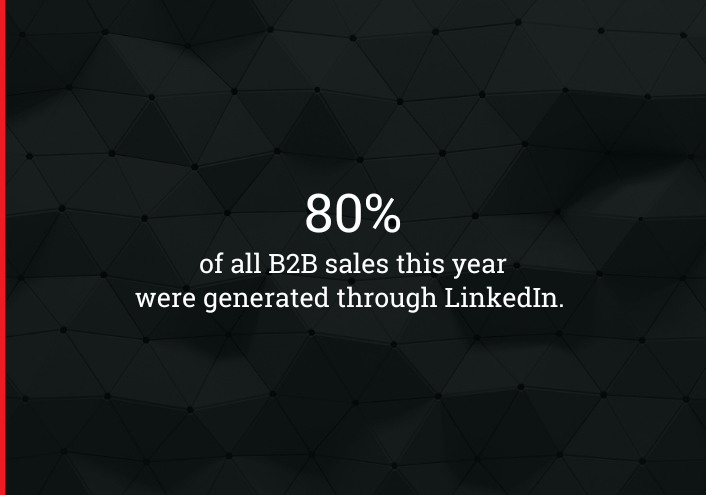
This is why you may want to consider a buyer journey build on proven data and insights that heavily relies on social and virtual sales.
The customer still faces silos across the channels, accessing multiple touchpoints during the purchase. Given the underutilization of marketing technologies, there is a significant disconnect within the companies between these channels, little alignment, and coherence. According to Deloitte data, a big part of even B2B customers, around 50%, say that they feel they are communicating with separate departments and not with one company. And when it comes to service issues, 70% of the customers expect all reps to have centralized account information.
Digital Is the New Reality
Digital sales has become mainstream, especially as remote work increased. Companies that pivoted to digital sales saw strong growth in both sales and profitability.
Web traffic and digital engagement became primary buying channels for products and services. Companies must now provide seamless engagement across the entire sales process on the channels customers prefer.
The challenge in this new reality is delivering a unified customer experience across the buyer journey. This is where marketing and sales automation technologies become essential.
Martech Utilization Remains a Challenge
Many CMOs say they struggle to fully utilize marketing technology and leave significant capabilities unexplored. Budget constraints have made it even more important to maximize the value of existing tools.
Some companies are increasing Martech investments, while others must reallocate resources. The marketer’s role is to optimize the value generated from current technology and activities.
Identify New Customers and Deliver Digital Experiences
Today’s B2B buyer expects integrated solutions and cohesive service delivery. More organizations prefer working with a single key vendor or integrated solution provider.
If budgets are limited, focus on maximizing the tools you already have and pivoting resources where needed.
How Marketing Technologies Streamline Buyer Experiences
Technology provides insight into all customer touchpoints and allows proactive action through personalized communication, targeted ads, and meaningful content that improves engagement and post-sales experience.
Marketing systems generate large amounts of data. The challenge lies in identifying what is relevant and actionable and knowing how to act on it.
Maximize Value with Marketing and Sales Technology
Marketing technology is often seen as a major investment, but it is essential for achieving the best outcomes and often pays for itself.
Leaders can either spend time building complex technology stacks or run high-performing automated marketing and lead-generation systems. The latter frees time for strategy and optimization where the most value is created.
Even the best technology delivers results only when properly operated and optimized.
Align the Entire Organization
Improving marketing ROI requires cross-functional collaboration. Marketing, IT, operations, and sales must align to drive transformation.
Improving processes, technology utilization, and team capabilities leads to a more unified customer experience and greater value delivery.
Digital Dominates the Channel Mix
Marketing investments are shifting strongly toward digital channels, including digital advertising, social media, websites, SEO, and paid search. Events are also moving to digital formats such as webinars and virtual conferences.
Digital Reskilling and Talent Development
Organizations are investing more in marketing training, technology skills, and talent development. Managing Martech, digital tools, and evolving processes is now a core marketing capability.
Marketing Leads Digital Transformation
Marketing increasingly leads the development of marketing technology roadmaps, vendor selection, and integration across business systems. Agility, technology integration, and continuous planning define modern marketing leadership.
If you need help planning your B2B strategy or pivoting toward new customer segments, reach out. We’ll arrange a discovery call with one of our senior strategy consultants.