

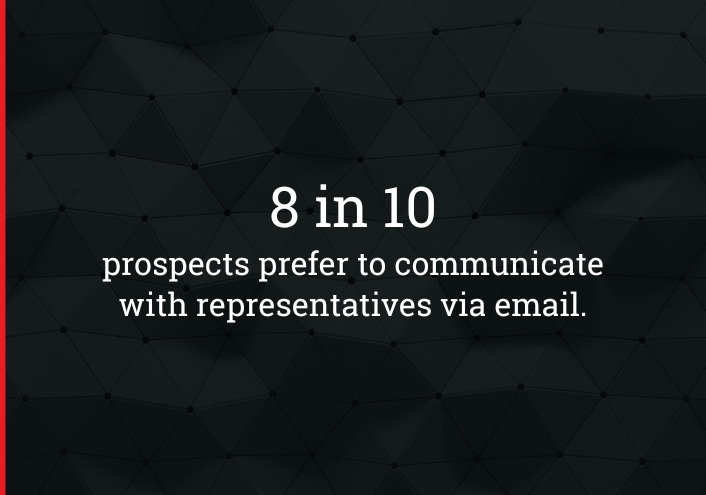
According to recent reports, 8 in 10 prospects prefer to communicate with representatives via email, matching the 78% of reps who use this method.
However, to reach the point where you can effectively contact your prospects and sell your services or products, a natural step in the marketing and sales process is to identify and list the right target audience. Here are four steps you can follow when building a B2B prospecting list to support your business growth journey.
1. Create Your Ideal Customer Profile (ICP)
Before building your contact list, you first need to understand who your target audience is and create a detailed prospect profile.
To optimize your B2B prospecting efforts, focus on prospects who are suitable for your business and have the highest chances of converting into clients.
Key aspects to define include:
-
The company’s size and the location you are targeting
-
The industries that would benefit from your services and products
-
The job titles most likely to respond to your prospecting campaign, which will also help guide your research
After defining these, dig deeper into the challenges your ideal prospects face, the goals they want to achieve, and additional traits, such as background or payment habits. That last point can help you set specific budget goals over a given period.
Once you’ve done this, you’ll be ready to start using B2B prospecting tools to build your list.
2. Use LinkedIn to Build a Targeted Prospect List
LinkedIn is an excellent tool for quickly reaching decision-makers and adding them to your prospecting list. With LinkedIn’s search features, you can easily run targeted searches for your B2B campaigns. If you want deeper filtering, the platform offers advanced tools to help improve the efficiency of your outreach.
LinkedIn Helper is one of the most commonly used automation tools. It allows you to search prospects and monitor campaigns efficiently once you master its features.
3. Feed Your Campaign with Networking Sessions
Once you’ve defined who you want to reach, the next step is to connect and network with those decision-makers. LinkedIn and other platforms help you do this at scale.
When reaching out, refer back to the pinpoints from your ICP—the challenges and goals you identified. Presenting a solution that addresses their specific problems increases the chances of getting a positive response.
This step helps narrow your list based on how prospects respond. A well-organized system (or a simple spreadsheet, if you’re managing it manually) can help you track your prospecting list effectively.
Consistency is key to building a healthy prospect list. Don’t get discouraged if early outreach doesn’t bring instant results, especially if you have limited time to invest in the campaign.
You can also team up with a digital marketing agency to support your prospecting strategy. If you’re focused on generating leads through LinkedIn, check out one of our previous articles for best practices on engaging prospects and driving traffic to your website.
4. Get Organized with a Suitable Marketing Tool
Social platforms aren’t the only way to reach prospects. The right email marketing tool can help you connect more efficiently and track performance.
Many automation tools allow you to import existing prospect lists and send multiple personalized emails at once. More advanced tools can even research each prospect’s profile and help you tailor content that better addresses their needs, speeding up the sales cycle.
Final Thoughts
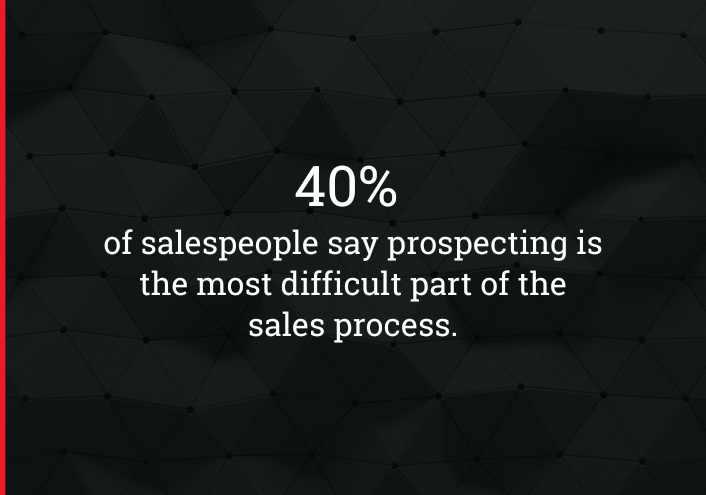
Studies show that 40% of salespeople say prospecting is the most difficult part of the sales process. Building a highly targeted B2B prospecting list often requires significant time investment. But with a clear roadmap and the right support, the process becomes much easier to manage.
From research to analysis, a specialized team can help you create a prospecting strategy that strengthens your entire B2B marketing approach. Want to discuss where to start your B2B prospecting journey? Get in touch with one of our representatives.